
Clinical Embryology is the specialized branch of medicine that focuses on the study and care of gametes (sperm and eggs) and the development of embryos outside the human body.1 It is the “engine room” of any fertility treatment.
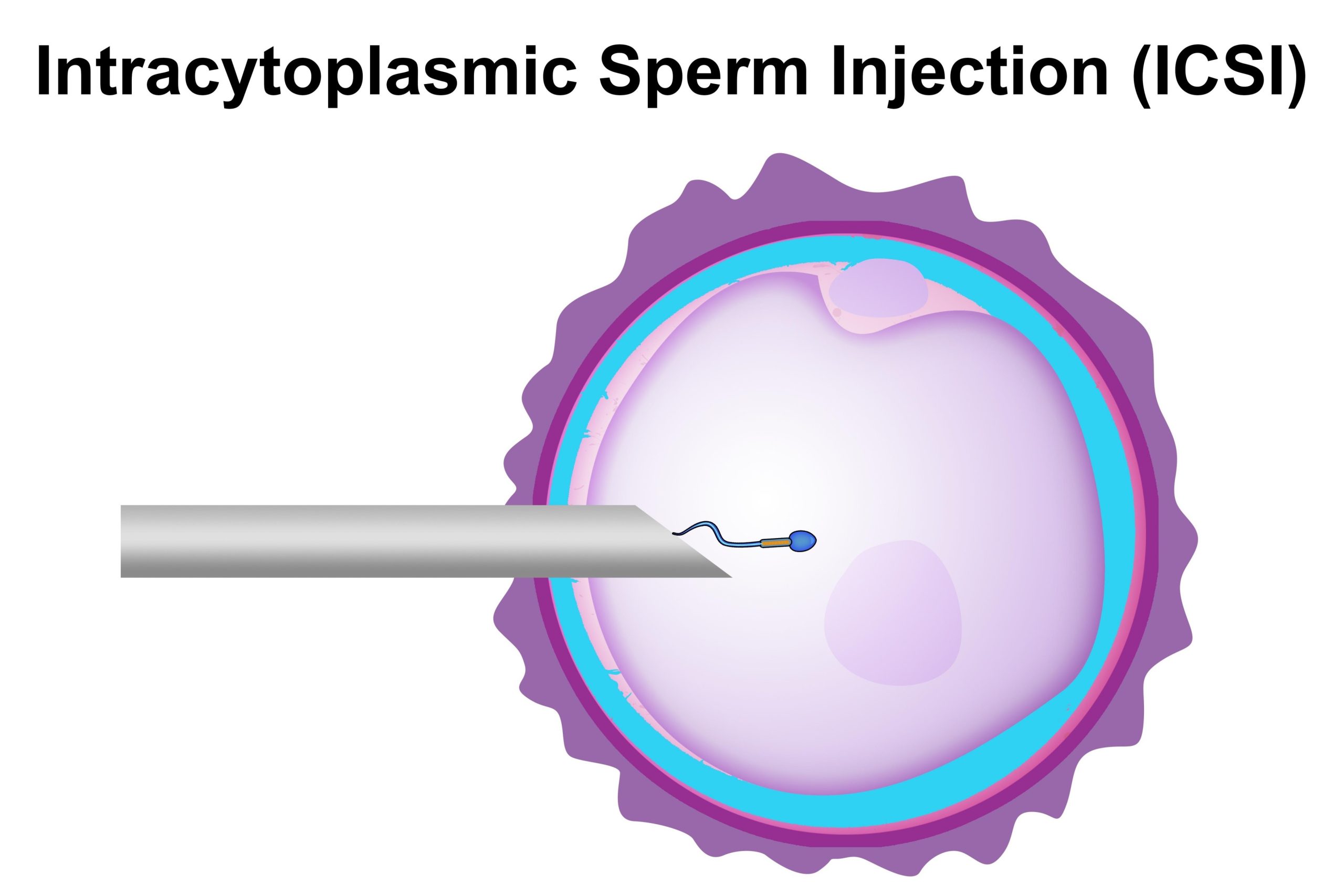
While fertility doctors manage the patient, embryologists act as the guardians of the potential child, performing delicate procedures in the lab to create healthy embryos and maximize the chances of a successful pregnancy.
An embryologist is a highly trained scientist responsible for critical laboratory procedures, including:
In embryology, prevention means maintaining a pristine environment. We emphasize Strict Quality Control (QC) within the lab. This includes maintaining pure air quality (VOC-free), regulating temperature and humidity to mimic the human body, and using electronic witnessing systems to prevent any mix-ups of patient samples, ensuring 100% safety and traceability.
Embryology relies on microscopic precision. We utilize cutting-edge technology such as Time-Lapse Incubators (Embryoscope), which take photos of the embryos every few minutes.
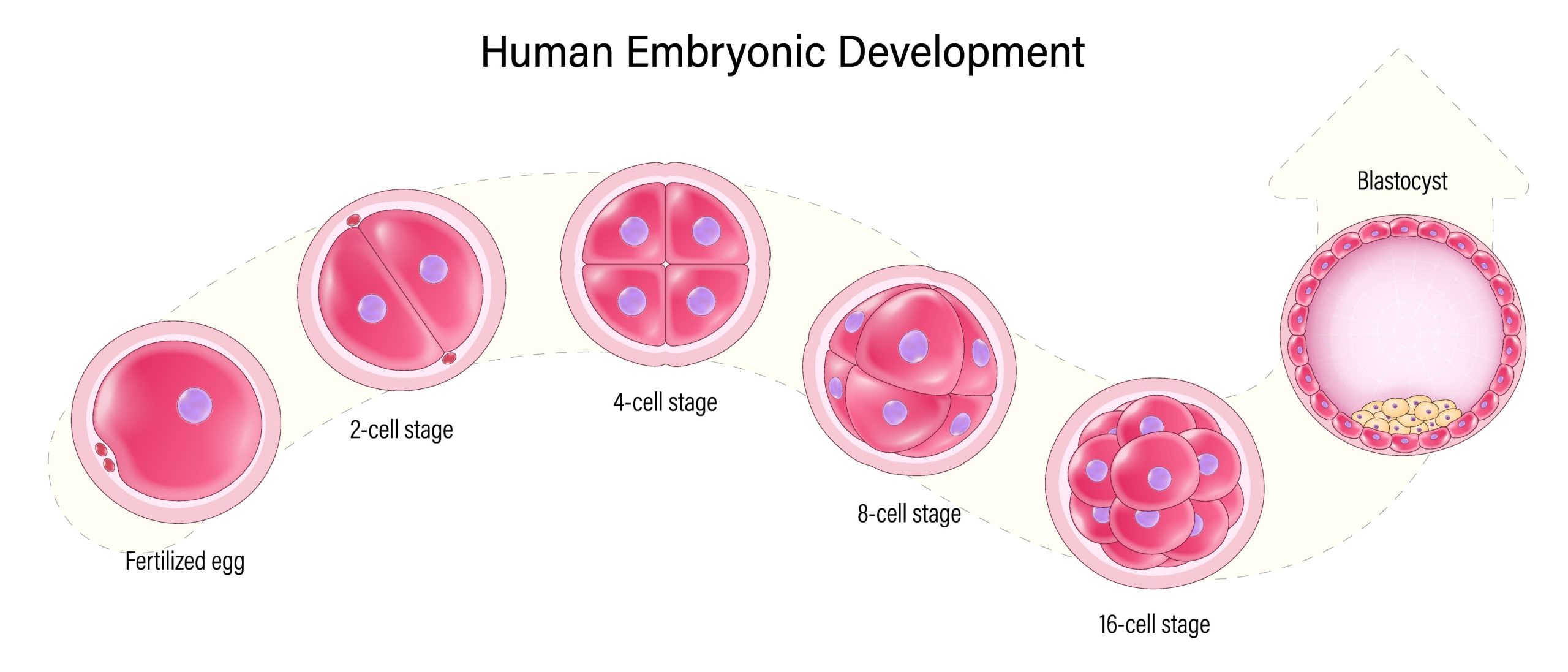
This allows us to select the healthiest embryo without disturbing them. We also use High-Magnification Microscopes (IMSI) to select the morphologically best sperm for injection.
While not an “emergency room” for patients, the IVF lab manages time-critical biological emergencies. Gametes are extremely fragile. Procedures like oocyte (egg) retrieval and fertilization must happen within strict time windows. Our team provides rapid, precise handling during these critical hours to prevent egg aging or fertilization failure.
For patients delaying parenthood or undergoing medical treatments like chemotherapy, long-term management is vital. Our Cryobank ensures the safe, long-term storage of eggs, sperm, and embryos in liquid nitrogen tanks at -196°C. We maintain rigorous monitoring protocols to ensure these samples remain viable for years or even decades.