
Fertility medicine, often referred to as Reproductive Endocrinology and Infertility, is a specialized field dedicated to helping individuals and couples conceive. It focuses on diagnosing the root causes of infertility in both men and women and providing assisted reproductive solutions to achieve a healthy pregnancy.
Shutterstock
It plays a crucial role in family planning, preserving fertility, and overcoming biological barriers to parenthood.
A fertility specialist is trained to handle a wide range of reproductive health challenges, including:
Understanding reproductive health early is essential. Fertility care emphasizes preventive measures through pre-conception counseling, lifestyle modification (diet and stress management), and fertility preservation (such as egg or sperm freezing) for individuals delaying parenthood or undergoing medical treatments like chemotherapy.
Fertility specialists use cutting-edge diagnostic tools, including Semen Analysis, Hysterosalpingography (HSG), Transvaginal Ultrasounds, and Hormonal Profiling, to identify barriers to conception. Treatments are highly personalized, ranging from Ovulation Induction and IUI (Intrauterine Insemination) to advanced IVF (In Vitro Fertilization) and ICSI.
While fertility treatments are often planned, certain situations require immediate attention. Issues such as Ovarian Hyperstimulation Syndrome (OHSS), severe pelvic pain during stimulation, or time-sensitive procedure monitoring require prompt medical care. Our experts provide rapid intervention to ensure patient safety and treatment continuity.
Conditions like PCOS, endometriosis, and hormonal imbalances often require long-term management to optimize the chances of conception. Our team ensures comprehensive care with a focus on cycle monitoring, medication adjustment, and emotional support throughout the fertility journey.
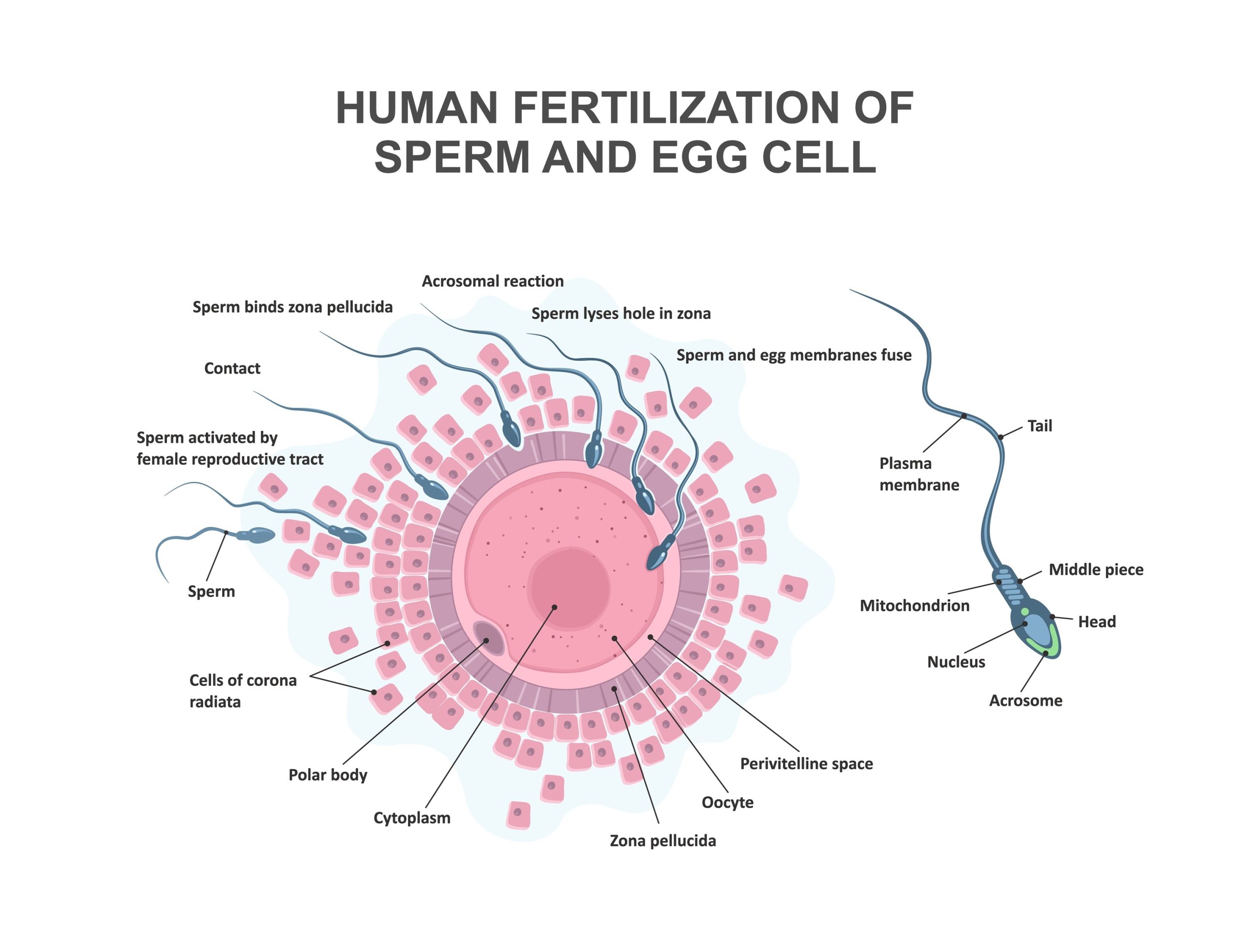
Clinical Embryology is the specialized branch of biology and medicine concerned with the study of fertilization and the early development of embryos. In a medical setting, it forms the backbone of Assisted Reproductive Technology (ART).
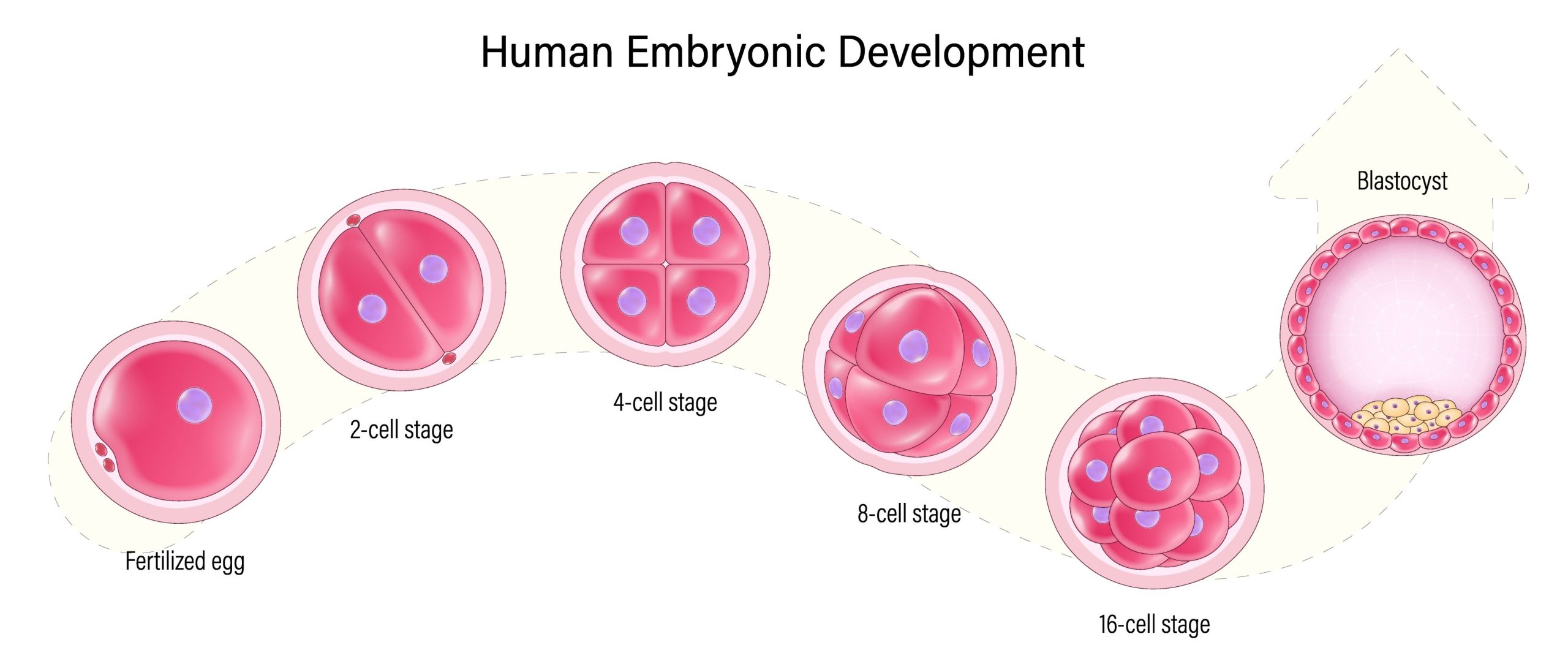
It involves the delicate handling of sperm, eggs (oocytes), and embryos in a highly controlled laboratory environment to facilitate conception for couples facing infertility.
While embryologists work behind the scenes, their expertise addresses critical reproductive challenges, including:
In Vitro Fertilization (IVF): Mixing sperm and eggs in a dish to facilitate natural fertilization.
Intracytoplasmic Sperm Injection (ICSI): Injecting a single healthy sperm directly into an egg to overcome severe male infertility.
Embryo Grading & Selection: Assessing the quality of embryos to select the healthiest one for implantation.
Cryopreservation (Freezing): Vitrification of eggs, sperm, and embryos for future use.
Assisted Hatching: Thinning the outer shell of the embryo to help it implant in the uterus.
Genetic Testing (PGT): Screening embryos for chromosomal abnormalities before transfer.
Blastocyst Culture: Growing embryos to day 5 or 6 to ensure higher success rates.
Embryology plays a vital role in preventing the transmission of hereditary diseases. Through Pre-implantation Genetic Testing (PGT), embryologists can identify embryos free from specific genetic disorders (like Thalassemia or Cystic Fibrosis) ensuring a healthy start for the future child.
The embryology lab is a sanctuary for life. We use cutting-edge technology including Time-Lapse Incubators (Embryoscope), which allow continuous monitoring of embryo development without disturbing them. We utilize Micromanipulators for precise ICSI procedures and maintain Class 100 Clean Room air quality to protect embryos from environmental stress.
In the context of embryology, “emergency” care often refers to Urgent Fertility Preservation. For patients diagnosed with cancer who must start chemotherapy immediately, our team provides rapid cryopreservation of eggs or sperm to preserve their ability to have biological children in the future.
For couples undergoing IVF, not all embryos are used at once. We provide comprehensive Cryobanking Management, ensuring that frozen embryos, eggs, or sperm are safely stored in liquid nitrogen at -196°C for years. This allows families to plan future pregnancies without undergoing the full ovarian stimulation process again.
Highly qualified and certified clinical embryologists.
State-of-the-art IVF lab with advanced air filtration systems.
High success rates in blastocyst culture and freeze-thaw survival.
Strict “Witnessing Protocols” to ensure 100% sample identity safety.
Advanced genetic screening capabilities for healthy pregnancies.